
Buy First or Sell First? A Clear Downsizing Guide for Okanagan Homeowners
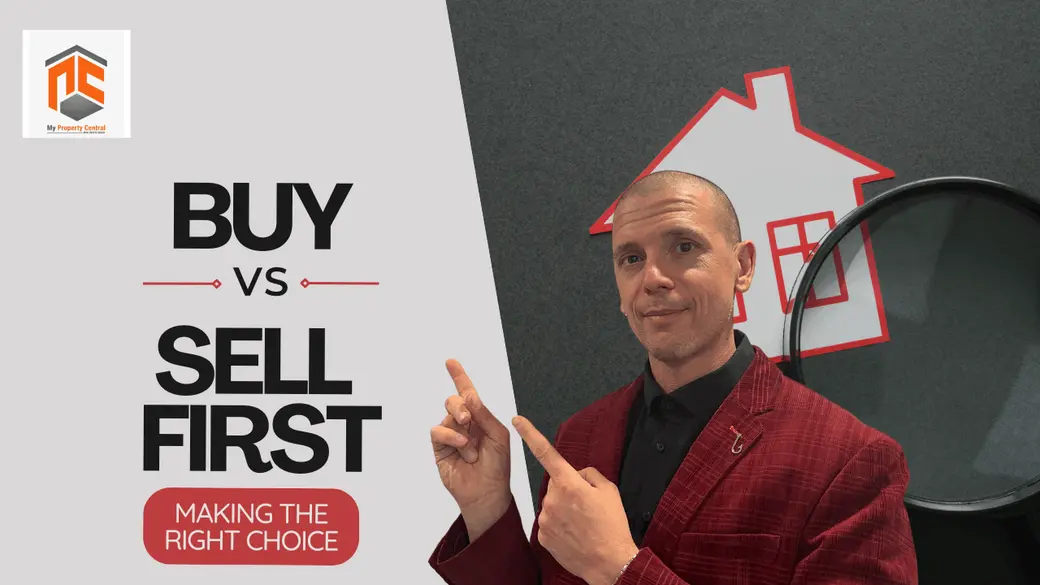
Many Okanagan homeowners worry about making the wrong move, mistiming the market, or feeling rushed into a decision that can't be undone. This guide is designed to offer clarity, not pressure. There is no universal right answer only the right sequence for your situation.
Below, we'll break down what each approach actually looks like, compare the trade-offs side by side, and help you think through which path fits your circumstances best.
Watch: Buy First or Sell First? A Clear Downsizing Guide for Okanagan Homeowners
- Why This Decision Feels So Difficult — The emotional and financial tension behind the choice
- What It Means to Buy First — How it works, and who it's best for
- What It Means to Sell First — The certainty-first approach
- Side-by-Side Comparison — Buy first vs. sell first at a glance
- How to Decide Which Is Right for You — The factors that actually matter
- Clarity Before Action — Why you don't need to decide today
- Frequently Asked Questions
- There is no universally "right" answer — only the right sequence for your situation
- Buying first offers flexibility and choice, but requires financial overlap and planning
- Selling first provides certainty and simplicity, but limits control over timing
- Two homeowners in the same neighbourhood can make opposite choices — and both can be correct
- The biggest mistakes come from deciding too late, without understanding the options ahead of time
Why This Decision Feels So Difficult
Downsizing blends financial decisions with emotional ones. You're not just moving houses — you're often leaving a home filled with decades of memories, and stepping into a new chapter of life.
Most homeowners find themselves balancing competing priorities: market headlines and changing conditions, limited or competitive inventory, financial considerations like equity and cash flow, and lifestyle priorities like location, walkability, and ease of living.
What makes it feel impossible is that most homeowners want certainty and flexibility at the same time. When those two don't align — and they rarely do perfectly — indecision and anxiety tend to creep in.
▲ Back to Key TakeawaysWhat It Means to Buy First When Downsizing
Buying first means purchasing your next home before selling your current one. In the Okanagan, this option is commonly considered by homeowners who have strong equity positions, are downsizing into a specific neighbourhood, condo, or community, and want time and flexibility to choose the right home.
This approach often involves temporary financial overlap, bridge financing, and careful coordination of dates — but it can remove significant pressure from the buying process. You're not shopping under a deadline.
| Buying First | Pros | Cons |
|---|---|---|
| Flexibility | Greater freedom to choose the right home without time pressure | Temporary financial overlap — carrying two properties at once |
| Emotional ease | Less stressful buying experience; you can be selective | Requires detailed planning and coordination of dates |
| Timing control | Ability to wait for the right property to come on market | Not suitable for every financial situation or market condition |
| Financing | Strong equity positions can make bridge financing straightforward | Bridge loans have costs and qualification requirements |
Buying first can work very well when planned properly — but it's not automatic or risk-free. The key is having a clear picture of your equity, your carrying costs, and a realistic timeline.
▲ Back to Key TakeawaysWhat It Means to Sell First When Downsizing
Selling first means completing the sale of your current home before purchasing the next one. This approach often appeals to homeowners who value certainty and financial clarity above all else.
It may involve short-term renting, negotiating flexible possession dates, or closely monitoring available inventory before you list. For many downsizers, selling first reduces stress by simplifying the numbers — you know exactly what you have to work with.
| Selling First | Pros | Cons |
|---|---|---|
| Financial clarity | You know exactly how much equity you have before buying | Less flexibility on the buying side — may feel rushed |
| Lower risk | No bridge financing, no carrying two properties simultaneously | Possible time pressure if inventory is limited |
| Peace of mind | Simpler process with fewer moving parts and less financial exposure | Dependence on what's available when you're ready to buy |
| Housing gap | Can negotiate extended possession or plan a short-term rental | May need temporary housing between the sale and purchase |
Selling first prioritizes certainty, even if it means less control over timing. For many people — especially those who value a clean financial picture — it's the less stressful path.
▲ Back to Key TakeawaysSide-by-Side: Buy First vs. Sell First
Here's how the two approaches compare across the factors that matter most to Okanagan downsizers:
| Factor | Buy First | Sell First |
|---|---|---|
| Financial certainty | Lower — you're estimating sale proceeds | Higher — you know your exact numbers |
| Flexibility in choosing a home | Higher — no deadline pressure | Lower — depends on available inventory |
| Emotional stress | Lower buying stress, higher financial stress | Lower financial stress, higher buying pressure |
| Bridge financing needed | Likely yes | No |
| Risk of temporary housing | Unlikely | Possible |
| Best for | Strong equity, specific target property or area, patience | Values certainty, simpler finances, flexible on timing |
How to Decide Which Option Is Right for You
There is no blanket rule. The right decision depends entirely on your personal circumstances:
- Your equity position. Homeowners with significant equity have more flexibility to buy first. Those with tighter margins often benefit from selling first to establish a clear budget.
- Your comfort with risk. If the idea of carrying two properties keeps you up at night, selling first is likely the better path. If you're comfortable with temporary overlap, buying first opens more doors.
- Your timeline flexibility. Are you in a rush, or do you have months to plan? A longer runway gives you more options.
- Your lifestyle and location priorities. If you're targeting a specific community — like a lakeside condo in Osoyoos or a low-maintenance townhome in Penticton — buying first lets you wait for the right listing without pressure.
Two homeowners in the same neighbourhood can make opposite choices — and both can be correct. Generic advice fails because it ignores context. Market conditions matter, but personal circumstances matter more.
The biggest challenges usually come from making this decision too late — without understanding the options ahead of time. The earlier you start thinking about sequence, the more control you have over the outcome.
▲ Back to Key TakeawaysClarity Before Action
You don't need to rush. You don't need to decide today. What you do need is clarity — so when the time comes, your decision feels calm, informed, and aligned with your goals.
Downsizing works best when the sequence fits you. A conversation about your equity, your timeline, and what you're looking for can make the entire process feel manageable instead of overwhelming.
Sometimes, the most valuable thing isn't a decision — it's the understanding that makes the decision easy when the moment arrives.
Frequently Asked Questions
What is bridge financing and how does it work?
Bridge financing is a short-term loan that covers the gap when you buy a new home before selling your current one...
Bridge financing is a short-term loan that covers the gap when you buy a new home before selling your current one. It's secured against the equity in your existing property and is typically repaid once the sale closes. Your mortgage broker or lender can walk you through qualification requirements and costs specific to your situation.
Can I make an offer conditional on selling mine?
Yes, you can include a "subject to sale" condition in your offer. However, in competitive markets, sellers often prefer...
Yes, you can include a "subject to sale" condition in your offer. However, in competitive markets, sellers often prefer unconditional offers or offers without sale conditions. This is one of the trade-offs of the buy-first approach — your offer may be less competitive if it depends on your current home selling.
What if I sell first and can't find the right home?
This is the main risk of selling first. Options include negotiating a longer possession date with your buyer...
This is the main risk of selling first. Options include negotiating a longer possession date with your buyer, arranging short-term rental housing, or staying with family while you search. Working with an agent who monitors inventory closely can help you prepare before you list, reducing the chance of a gap.
How much equity do I need to buy first?
There's no fixed number — it depends on the price of your next home, your mortgage situation, and your lender's...
There's no fixed number — it depends on the price of your next home, your mortgage situation, and your lender's bridge financing terms. Generally, homeowners with 40% or more equity in their current home have more flexibility to buy first. A mortgage professional can give you specific numbers based on your situation.
Is the Okanagan market better for buying or selling first right now?
Market conditions shift throughout the year and vary by community. In a slower market with more inventory...
Market conditions shift throughout the year and vary by community. In a slower market with more inventory, buying first becomes easier because you have more options. In a competitive market with limited listings, selling first may be less risky. The best approach is to review current conditions with a local agent who knows the specific area you're targeting.
How far in advance should I start planning a downsize?
Ideally, 6 to 12 months before you want to move. This gives you time to understand your equity...
Ideally, 6 to 12 months before you want to move. This gives you time to understand your equity, explore your options, research target communities, and prepare your home for sale without feeling rushed. The earlier you start the conversation, the more control you'll have over the process.
Do I need to declutter and stage before selling?
In almost every case, yes. Decluttering is especially important for downsizers, since you'll need to sort through...
In almost every case, yes. Decluttering is especially important for downsizers, since you'll need to sort through belongings anyway. Starting early — even before you've decided on your sequence — helps both emotionally and practically. A clean, decluttered home also shows better and typically sells faster and for a higher price.
Thinking About Downsizing in the Okanagan?
Let's have a no-pressure conversation about your equity, your timeline, and which sequence makes the most sense for you.
Disclaimer: This article is for informational purposes only and should not be considered financial or legal advice. Always consult with a qualified mortgage professional and licensed REALTOR® or legal counsel for the most current information specific to your situation.
About the Author: Riccardo Manazza is a South Okanagan REALTOR® with eXp Realty and part of the My Property Central Real Estate Group, helping clients and agents succeed across Penticton, Oliver, Osoyoos, and beyond. riccardomanazza.realtor · livingintheokanagan.ca · mypropertycentral.ca

Categories
- All Blogs (76)
- Buyer Guidance (3)
- Buyer Guides (2)
- Buyer Resources (1)
- Buying Tips (3)
- Canadian Real estate Trends (3)
- Construction & Material Costs (2)
- Contracts & Consumer Protection (1)
- Downsizing (1)
- Economic Insights (2)
- Estate Planning & Finance (1)
- Featured Listings (2)
- Financial Education (1)
- Financial Planning for Homebuyers (2)
- First time Buyer Advice (4)
- Home buying advice (7)
- Home Buying Guides (3)
- Home Selling Strategies & Market Insights (1)
- Home Selling Tips & Market Insights (1)
- Homeowner Advice (3)
- Homeownership Tips (1)
- Housing Market Analysis (1)
- Interest Rates & Financing (1)
- Investment & Lifestyle Real Estate (1)
- Investment Strategies (2)
- Legal & Probate Guidance (1)
- Listings in Oliver (1)
- Market Trends (1)
- Market Education (1)
- Market Updates (15)
- Mortage & Financing (2)
- Mortage Strategies (2)
- Okanagan Lifestyle & Local Guides (2)
- Osoyoos Real Estate (3)
- Penticton & Okanagan Housing Market Analysis (1)
- Penticton Real Estate (4)
- Pet-Friendly Homes (1)
- Probate & Estate Real Estate (1)
- Probate Real Estate (1)
- Real Estate Business & Motivation (1)
- Real Estate Career & Client Education (1)
- Real Estate Career & Motivation (2)
- Real Estate Career Insights (1)
- Real Estate Education (1)
- Real Estate Financing & Investment (1)
- Real Estate Guides (3)
- Real Estate Insights & Guides (3)
- Real Estate Investment & Market Insights (1)
- Real Estate Investment Analysis (1)
- Real Estate Investment Strategies (1)
- Real estate Market insights (1)
- Real Estate Market Updates (1)
- Real Estate Tips (5)
- Real Estate Trends (1)
- Remember to Create (1)
- Seller Guides (1)
- Seller Resources (1)
- Seller Tips (1)
- Selling Tips (2)
- South Okanagan Insights (1)
- South Okanagan Listings (1)
- South Okanagan Market Reports (2)
- South Okanagan Market Update (4)
- South Okanagan Real estate (11)
- South Okanagan Real Estate Investing (3)
- South Okanagan Real Estate Market (2)
- Sustainable Real Estate Investing (1)
- Townhouse Oliver (1)
Recent Posts